Designing an attractive and eye-catching exterior can alter the way your home is perceived. Landscape design acts a crucial role in boosting curb appeal, delivering not only aesthetic benefits but also raising property value and making a inviting first impression. Whether you’re about to sell your home or simply want to enjoy an outdoor space that matches your lifestyle, grasping how thoughtful landscape elements come together can be crucial.
Understanding Curb Appeal and Its Importance?
Curb appeal refers to the total visual appeal of a property as perceived from the street. It greatly affects the first impression onlookers, neighbors, and potential buyers have regarding your home. Well-executed landscaping, including manicured lawns, bright flower beds, and orderly walkways, shows care and pride in your property.
Besides improving outdoor aesthetics, enhanced curb appeal can add to your property value—studies demonstrate potential buyers are willing to pay more for homes with engaging exterior designs. Additionally, a stunning landscape forms a inviting atmosphere, helping your home be noticeable in the neighborhood and giving family enjoyment throughout the year.
How Might Plant Selection Influence Curb Appeal?
Choosing the right plants is key to well-done landscape design and enhancing curb appeal. A wide mix of shrubs, trees, and bright flower beds brings texture, striking color schemes, and dimension to your garden. Incorporating native plants ensures they flourish naturally, demanding less water and maintenance, while drought-tolerant species aid in conserving resources and retain beauty even during dry spells.
Adding a variety of perennial and annual plants enables extended seasonal interest. Perennials deliver lasting greenery and repeat blooms, whereas annuals produce bursts of fresh color that can be changed throughout the year. Ground cover plants help fill in spaces, limit soil loss, and add fullness without overpowering the design.
What Role Do Hardscaping Elements Have in Improving Curb Appeal?
Hardscaping components such as walkways, patios, driveways, retaining walls, and decking create structure and function within your outdoor space. They deliver durability and visual appeal by outlining pathways and gathering areas while matching your home’s architecture.
Utilizing quality materials like natural stone adds elegance and longevity with minimal upkeep. Retaining walls not only secure slopes and form terraced garden beds but also provide architectural interest. Borders and edging mark different zones, producing balance and neat organization which collectively elevate your landscape’s charm.
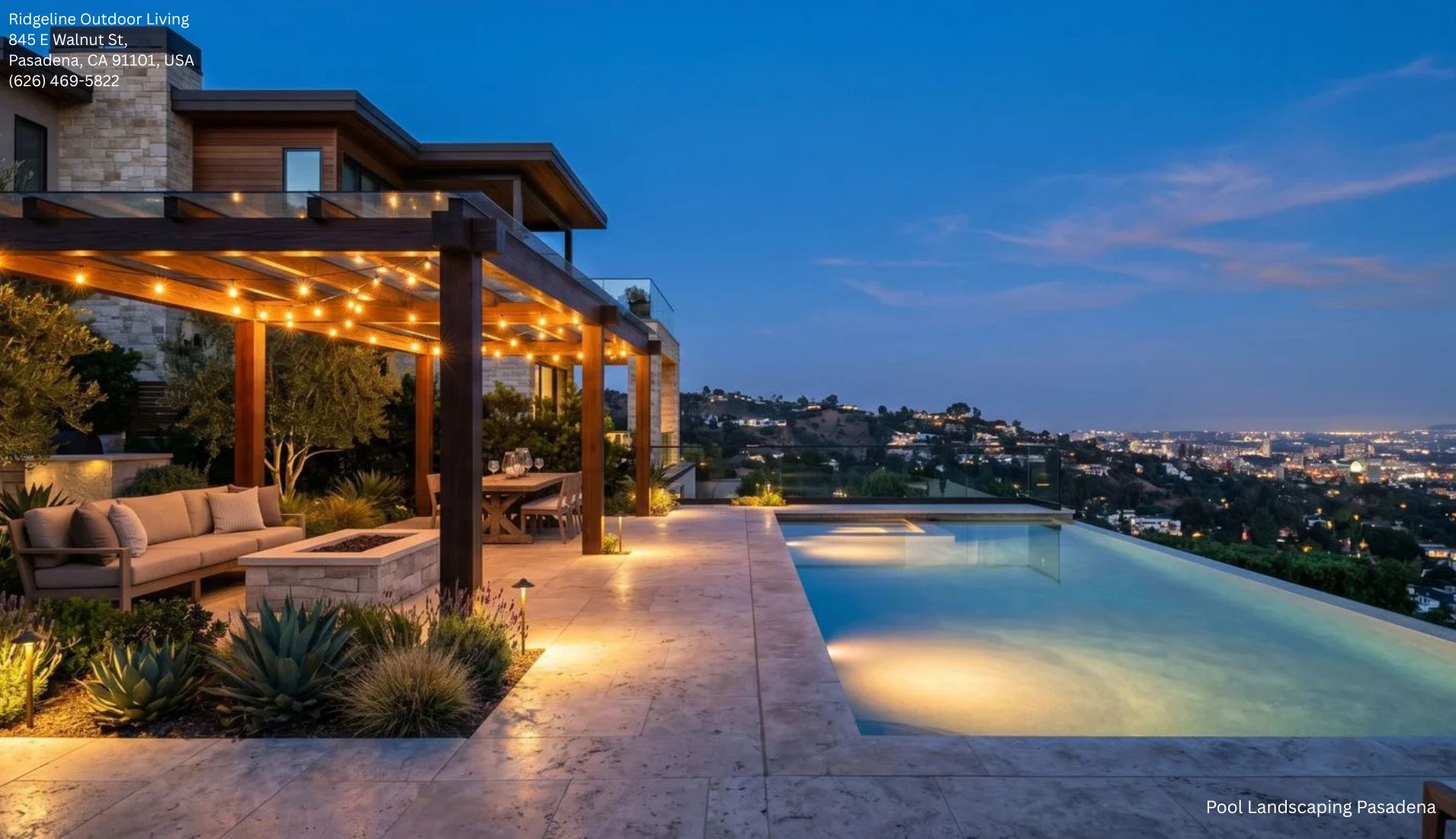
How Can Outdoor Lighting Improve Your Landscape Design?
Outdoor lighting changes gardens after dusk by emphasizing textures, colors, and focal points, thereby increasing usability and enhancing safety. Strategically located garden lighting along pathways improves navigation and lessens trip hazards, while uplighting features such as trees, water elements, or topiary adds dramatic depth and ambiance.
Security lighting discourages unwanted activity without compromising aesthetic appeal. Combining soft ambient lights with spotlights builds layers of illumination that invite evening enjoyment and showcase your landscape architecture under a different light.
How Is Lawn Care and Maintenance Important for Excellent Curb Appeal?
A lush, healthy lawn acts as a vibrant green backdrop that highlights all other landscaping features. Proper lawn care involves regular mowing, edging, and irrigation to keep uniformity and neatness. Attention to soil health through amendments like compost and mulch improves nutrients and maintains moisture, promoting strong grass and plant growth.
Maintaining distinct, well-defined edges along garden beds and walkways improves aesthetic definition. Ongoing upkeep avoids overgrowth, weeds, and patchy areas, guaranteeing your outdoor space appears tidy and inviting at all times.
How Do Focal Points and Garden Ornaments Add to Curb Appeal?
Focal points including water features, statues, or eye-catching topiary instantly draw attention and add personality to your landscape design. These elements disrupt monotony and offer unique character, helping your front yard unforgettable.
Additional touches like chic mailbox designs, pleasant seating areas, and appealing outdoor furniture create inviting spaces for relaxation and socializing. Garden ornaments positioned thoughtfully can showcase your style while enhancing surrounding plants and hardscaping.
How Can Symmetry, Balance, and Scale Be Implemented in Landscape Design?
Incorporating principles of symmetry and balance results in a harmonious and appealing aesthetic. Mirrored outdoor living contractor Pasadena arrangements of plants and structures boost formal design styles, while asymmetrical hardscaping tips balance delivers a natural, relaxed feel when executed well.
Scale confirms that plants and hardscape features proportionally fit with your home and each other, stopping overcrowding or sparse areas. Blending varied textures and color schemes enriches visual interest by stimulating multiple senses and leading the eye throughout your landscape.
What Are Sustainability Considerations in Landscape Design for Curb Appeal?
Sustainability in landscape design lowers environmental impact while maintaining lasting beauty. Using eco-friendly practices like opting for drought-tolerant and native species reduces water usage and supports local ecosystems.
Implementing proper drainage stops water runoff and soil erosion, protecting plant health. Compost and mulch enhance soil structure and fertility naturally. Sustainable gardening techniques guarantee your outdoor space is vibrant with lower maintenance demands, supporting both nature and your budget.
In What Ways Can Privacy Screens and Retaining Walls Improve Both Function and Aesthetics?
Privacy screens such as shrubs, barriers, or decorative fencing establish secluded areas that boost comfort and usefulness of outdoor living spaces. They also introduce vertical layering, contributing lively texture and height variation to landscape design.
Retaining walls support slopes and give structural support, enabling terraced garden beds that improve planting areas. Made from natural stone or complementary materials, these walls merge functionality with stylish architectural appeal, elevating overall curb appeal.
Cyclical Landscape Design Tips to Keep Year-Round Curb Appeal
Changing seasonal plants in garden beds and container plants keeps your landscape bright and colorful throughout the year. Spring bulbs, summer annuals, autumn foliage, and winter evergreens deliver varied interest and accommodate changing weather conditions.
Often replenishing mulch and pruning support plant health and lasting attractiveness. Planning for seasonal transitions provides continuous bloom cycles and visual warmth, enriching your home’s outdoor aesthetics no matter the month.
The Impact of Pathway Design on Visual Flow and Accessibility
Walkways and pathways lead visitors easily through your landscape, enhancing both accessibility and first impressions. Well-designed paths with natural stone, borders, and proper edging form clean lines that direct the eye and encourage comfortable navigation.
Thoughtful placement of pathways also guides traffic flow, preserving delicate plantings and garden beds. This planned design raises outdoor architecture and builds a coherent, welcoming approach to your home.
The Value of Professional Landscape Architecture vs. DIY Approaches
Hiring professional landscape architects brings expert insights in plant selection, sustainable practices, and architectural harmony adapted to your unique site and goals. Professionals can enhance curb appeal while factoring in long-term maintenance and property value enhancements.
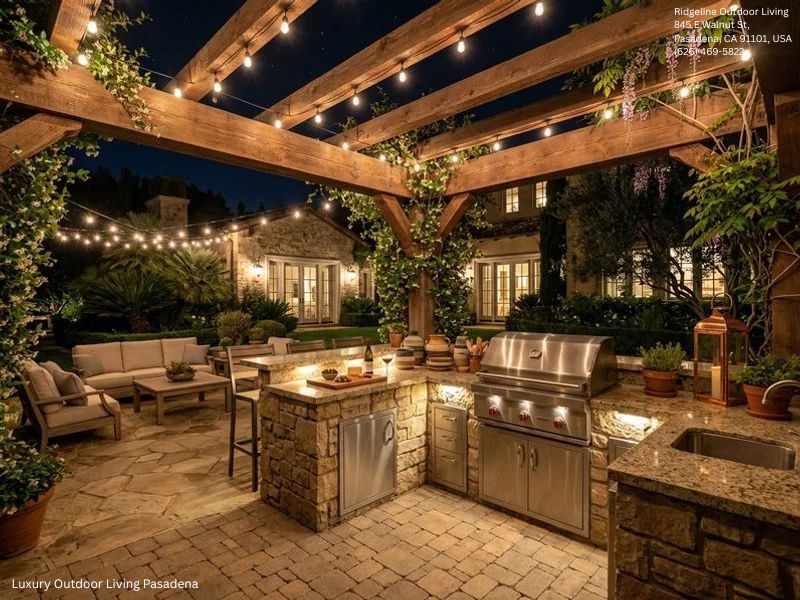
DIY landscaping delivers cost savings and personal satisfaction but demands time, horticultural knowledge, and skill to perform effectively. For homeowners looking to investment and achieve polished results, professional services often prove worthwhile. However, combining professional guidance with some DIY elements can create a balanced approach.
Frequently Asked Questions (FAQ)
- What are the easiest landscaping changes to improve curb appeal quickly?Straightforward methods are adding fresh mulch, planting seasonal flowers, trimming overgrown shrubs, and cleaning walkways. These low-cost actions create immediate visual improvements without major projects. How much does professional landscape design typically cost?Costs vary depending on scope but small-scale designs generally start around $1,500 to $5,000, while extensive renovations can top $20,000. Budgeting takes into account materials, size, and complexity of design. Can landscape design increase my home’s resale value?Yes, well-planned landscaping can enhance property value by 10-15%, making it a profitable investment that pays off when selling your home. How do I choose plants that require low maintenance?Opt for native, drought-tolerant, and perennial plants suited to your local climate. These species thrive naturally and reduce watering and ongoing care requirements. What is the best way to light my garden for safety and aesthetics?Use a combination of pathway lights for guidance, spotlights on key focal points, and soft ambient lighting to combine visibility with pleasant atmosphere.
Ridgeline Outdoor Living
Ridgeline Outdoor Living is a Pasadena-based landscape design-build company serving Greater Los Angeles with custom outdoor living, hardscape, and drought-tolerant landscape solutions. The company specializes in patios, retaining walls, outdoor kitchens, drainage, hillside projects, and turnkey landscape construction, handling projects from design and permitting through final build and warranty.
Address:
845 E Walnut St,
Pasadena,
CA
91101,
United States
Phone: (626) 469-5822
Map: View on Google Maps
Business Hours:
- Monday – Saturday: 8:00 AM – 6:00 PM
- Sunday: Closed
Follow Us: