Improving your outdoor spaces with thoughtfully designed landscape lighting not only adds beauty and ambiance but also enhances safety and security. For homeowners, property managers, and landscape professionals in the 626 area code, comprehending how local climate conditions and regulations influence lighting choices is essential. This guide offers comprehensive insights and step-by-step instructions on adding energy-efficient, attractive, and durable lighting into your Southern California landscape design.
Introduction to Landscape Lighting in the 626 Area Code
Landscape lighting improves your outdoor environment by accentuating architectural features, lighting pathways, and creating inviting atmospheres after dark. In the warm, sunny climate of the 626 area of Southern California, outdoor lighting benefits include more than aesthetics to include increased property value and increased safety. Incorporating energy-efficient lighting solutions like LEDs minimizes electricity usage and enables homeowners comply with local incentives and sustainability goals. Moreover, taking into account the area's unique weather patterns, such as intense UV exposure and occasional coastal humidity, ensures longer-lasting installations adapted to your environment.
Using outdoor illumination techniques that incorporate light outdoor living design layering, ambient effects, and strategic placement can improve your landscape design greatly. Whether you prefer soft garden lights or vibrant facade uplighting, knowing local conditions and energy-efficient technologies will enable you to create an outdoor space that radiates charm year-round.
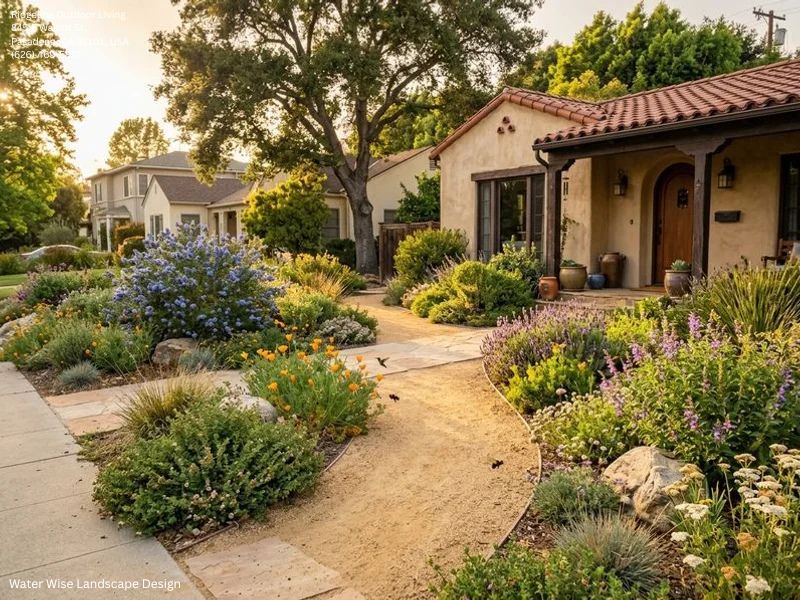
Planning Your Landscape Lighting Design
Efficient landscape lighting starts with a clear plan that considers different lighting zones, fixture placement, wiring logistics, and desired lighting effects. Focus on areas based on usage, safety, and visual impact while ensuring proper electrical setup compliant with local codes. Smart lighting controls, including timers and dimmers, enable convenient management while minimizing energy consumption.
Thoughtful planning ensures balanced illumination levels that prevent over-lighting or dark spots, creating a cohesive and inviting nighttime scene.
Analyzing Your Outdoor Environment and Features
Before picking fixtures, evaluate your yard’s layout and key features:
- Garden Lights: Apply soft accent lights to accentuate flower beds and landscaping details. Pathway Lights: Guide walkways safely and elegantly with low-level lighting. Plant Lighting: Uplighting shrubs and trees produces dramatic shadows and textures. Facade Lighting: Highlight house facades with wall washers or spotlights for frontage enhancement. Patio and Deck Lighting: Add cozy, functional lighting for outdoor living spaces. Pergola and Walkway Lighting: Use hanging lanterns or string lights for mood and visibility.
Mapping these zones provides the basis for your fixture selection and wiring hardscaping tips needs.
Choosing the Right Lighting Fixtures for Your Landscape
In the 626 area, choosing fixtures designed for outdoor use and area-specific durability is critical. Take into account:
- LED Lights: Power-saving, long-lasting, and available in various colors and intensities. Solar Lighting: Ideal for zones with ample sunlight, minimizing electrical wiring complexity. Waterproof Lights: Rated for moisture resistance to handle dew, irrigation, and occasional rain. Low Voltage Lighting: Safer installation options that facilitate electrical layout and lower power costs. Floodlights and Spotlights: Provide concentrated, intense beams for security and feature highlighting. Decorative Lanterns: Add charm and style to patios and pergolas with vintage or modern designs.
Understanding Light Temperature and Color Rendering
Selecting the appropriate color temperature and color rendering index (CRI) shapes mood and visibility outdoors:
- Light Temperature: Warm white (2700K–3000K) creates intimate, inviting spaces; cooler tones (4000K–5000K) boost visibility and modern aesthetics. Color Rendering Index (CRI): Choose fixtures with a CRI of 80 or higher for true color representation of plants and surfaces. Mood and Ambient Lighting: Use diffused light for general ambiance and softer shadows. Accent Lighting: Focus light on architectural or botanical highlights using uplighting and downlighting.
Harmonizing these elements improves both functionality and artistic appeal.
Installation Considerations Specific to the 626 Area Code
Installing landscape lighting within the 626 code area calls for observing local electrical codes and standards to ensure safety and durability. Consulting with licensed electricians or certified landscape lighting specialists knowledgeable about California regulations is strongly recommended.
Key considerations include:
- Local Electrical Codes: Compliance with wiring depth, grounding, and conduit requirements. Low Voltage Transformers: Proper sizing and placement safeguard equipment and optimize performance. Mounting Options: Durable materials resistant to UV rays and moisture tolerate Southern California’s environmental factors. Smart Lighting Integration: Integration with home automation systems offers remote control and scheduling. Timers and Dimmers: Enable energy reduction and customizable lighting scenarios.
Energy Efficient and Sustainable Lighting Options
Energy efficiency is important given California’s energy policies and environmental awareness. Explore these sustainable choices:
- Solar Lighting: Utilize abundant sunlight in the 626 area to fuel garden and pathway lights without wiring. Dusk to Dawn Lights: Automatically activate as daylight disappears, enhancing usage times. Energy Efficient Fixtures: Go for LED and other low-power bulbs meant for outdoor endurance. Smart Lighting Systems: Employ sensors and scheduling apps to cut down wasteful energy consumption while enhancing control.
Enhancing Safety and Security with Landscape Lighting
Effective landscape lighting considerably boosts nighttime safety by stopping trips and deterring intruders. Key strategies include:
- Security Lighting: Intense floodlights with motion sensors near entrances and dark corners enhance visibility. Safety Lighting: Reliable illumination on stairs, walkways, and driveways minimizes accident risks. Illumination Levels: Proper brightness prevents glare that can hinder natural sightlines. Motion Sensors and Timers: Activate lighting only when needed, extending battery life and cutting utility bills. Dusk to Dawn Lighting: Delivers continuous coverage during night hours with low manual intervention.
Maintenance Tips for Long-Lasting Outdoor Lighting
To maintain your landscape lighting working and visually appealing, regular maintenance is essential:
- Waterproof Light Care: Check seals and housings routinely to prevent moisture intrusion. Bulb Replacement: Change burned-out LED bulbs without delay, observing lifespan variations among fixtures. Cleaning Fixtures: Get rid of debris and dirt buildup from lenses to maintain optimal light output. Troubleshooting: Inspect wiring connections and transformers if lights flicker or fail, guaranteeing compliance with safety protocols.
Latest Trends in Landscape Lighting Design
Be up to date with state-of-the-art lighting trends that elevate your 626 area landscape:
- Smart Lighting: Speech recognition and mobile app adjustments ensure customized lighting arrangements. Layered Lighting Effects: Mixing uplighting, downlighting, and shadow patterns to form layers and texture. Creative Shadow Use: Stylized trees and plants cast engaging patterns increasing visual interest. Dynamic Lighting Zones: Separate control of zones enables changes from entertaining brightness to intimate moods.
Local Climate Factors Affecting Landscape Lighting Choices
The 626 area encounters significant UV exposure, moderate coastal humidity, and high daytime temperatures. These factors affect fixture selection and installation techniques:
- UV Resistance: Pick plastics and finishes that withstand sun degradation to avoid cracking or discoloration. Heat Tolerance: Components must withstand heat spikes frequent in summer months. Waterproof Rating: Confirm IP65 or higher ratings for protection against occasional rain and irrigation sprays. Humidity Impact: Employ corrosion-resistant metals and sealed connectors for coastal proximity. Coastal Weather Considerations: Salt air may cause corrosion; stainless steel or powder-coated fixtures are preferred.
Budgeting Your Landscape Lighting Project in the 626 Area Code
Understanding costs upfront assists in making informed decisions and attaining a realistic project scope:
- Fixture Price Range: Basic solar lights start at $20 each, while high-end LED spotlights range from $75 to $150. Installation Costs: Professional labor may run between $50-$100 per hour, contingent on system complexity. Financing Options: Some providers extend payment plans or seasonal promotions. ROI from Energy Savings: Transitioning to LED and solar lighting significantly lowers monthly utility bills over time.
DIY vs Professional Landscape Lighting Installation
Considering the advantages of do-it-yourself versus hiring professionals relies on your skill level, project scale, and local permit requirements:
- Pros of DIY: Lower expenses, flexibility to customize, and learning experience. Cons of DIY: Potential electrical hazards, code violations, and limited warranty support. When to Hire Professionals: Complex wiring, integrating smart systems, or demanding permit approval. Recommended Local Installers: Look for qualified electricians with expertise in 626 landscape lighting for dependability and code compliance. Permit Requirements: Check with Pasadena or neighboring city building departments for permits associated with outdoor electrical installations.
FAQ Section

What are the recommended types of landscape lighting for the 626 area?
LED and solar-powered fixtures with waterproof ratings and UV-resistant components operate effectively, balancing energy efficiency and durability in local climate conditions.
How do I ensure my outdoor lighting is energy efficient?
Utilize LED bulbs, install smart timers and sensors, and consider solar options to minimize electricity consumption and boost sustainability.
Can I install landscape lighting myself, or should I hire a professional?
Simple solar or low-voltage lighting can be DIY projects, but advanced systems with hardwired electrical elements need licensed professionals to assure safety and code compliance.
What local permits or codes must I consider for outdoor lighting installation in the 626 area?
California electrical codes and municipal requirements in cities like Pasadena manage wiring depth, transformer placement, and fixture installation. Check with local building authorities before starting.
How do solar lights perform compared to wired LED lights in Southern California?
Solar lights offer simple installation and zero operating cost but may have reduced brightness and shorter operating hours. Wired LED lights deliver consistent, brighter illumination but require electrical work.
What maintenance is required to keep outdoor lighting working year-round?
Periodic cleaning, bulb replacement, fixture inspection, and addressing moisture infiltration help keep lights working properly despite seasonal changes.
How can I use lighting to improve both ambiance and security in my garden?
Mix warm ambient lights in social areas with bright, motion-activated spotlights near entry points and pathways to create a protected and pleasant outdoor environment.
Conclusion
Incorporating landscape lighting into your outdoor design in the 626 area code delivers numerous benefits, from improving aesthetic appeal to heightening safety and reducing energy consumption. By carefully planning fixture placement, selecting climate-resilient materials, adhering to local codes, and considering smart, energy-efficient technologies, your outdoor space can radiate warmly throughout the year. Whether opting for a DIY approach or professional installation, knowing local conditions and lighting trends helps you to create a attractive and sustainable landscape lighting design. Start illuminating your Southern California landscape today and enjoy the perfect blend of style, function, and security.
Ridgeline Outdoor Living
Ridgeline Outdoor Living is a Pasadena-based landscape design-build company serving Greater Los Angeles with custom outdoor living, hardscape, and drought-tolerant landscape solutions. The company specializes in patios, retaining walls, outdoor kitchens, drainage, hillside projects, and turnkey landscape construction, handling projects from design and permitting through final build and warranty.
Address:
845 E Walnut St,
Pasadena,
CA
91101,
United States
Phone: (626) 469-5822
Map: View on Google Maps
Business Hours:
- Monday – Saturday: 8:00 AM – 6:00 PM
- Sunday: Closed
Follow Us: