Preparing a landscaping project in the San Gabriel Valley's 626 area code can be both exciting and challenging. Comprehending how long each part of your project will consume enables you to schedule appointments, manage budgets, and establish practical expectations. Whether you're upgrading curb appeal, building outdoor living spaces, or selecting sustainable garden designs, this guide breaks down the usual timeline of landscaping projects in the 626 area.
Comprehending the Typical Landscaping Project Timeline in the 626 Area Code
Landscaping timelines in the 626 region are influenced by project size, scope, and environmental factors characteristic of San Gabriel Valley. The project duration often relies on zoning permits, local climate, and seasonal planting considerations. On average, a residential landscaping project here can range from a few weeks to several months.
Key phases such as initial planning, site preparation, installation, and finishing touches each take dedicated time. Additionally, local regulations may affect permit acquisition times that affect the overall schedule. By recognizing these factors, homeowners can make informed decisions and better coordinate with landscape contractors to prevent unexpected delays.
Factors Influencing Project Duration in the 626 Region
Several specific elements directly determine how long landscaping projects run in the 626 area. These include:
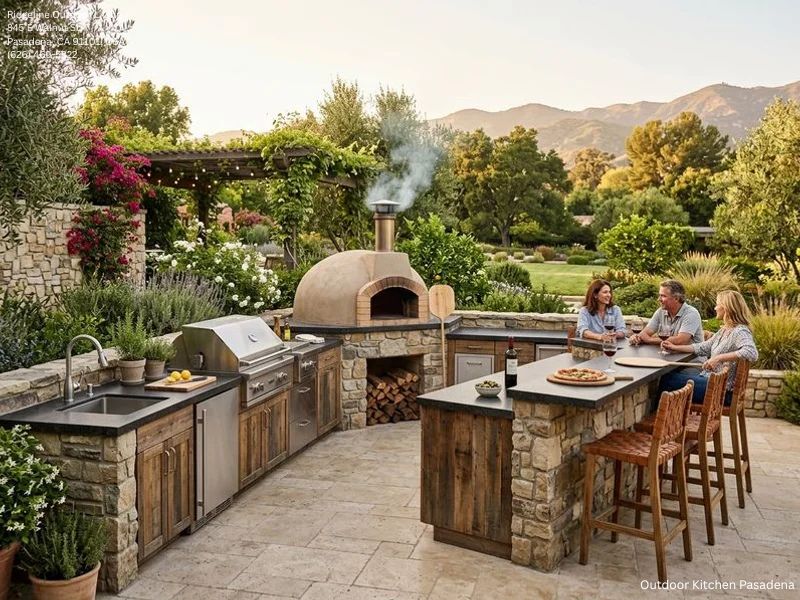
- Soil Preparation & Testing: The soil quality often dictates preparation time. In San Gabriel Valley, soil testing is crucial for managing erosion control and promoting healthy plant growth. Weather Impact: Gentle winters and dry summers shape planting windows and scheduling of tasks like irrigation system installation and hardscaping. Native Plants and Eco-Friendly Choices: Incorporating native plants aligns with eco-friendly landscaping methods but may demand particular timing for planting and growing seasons. Permit and Zoning Requirements: Local authorizations can prolong project start dates if not administered smoothly. Pest Management: Controlling pest issues early can avoid delays during planting and maintenance phases.
Common Phases of a Landscaping Project and Estimated Timeframes
Initial Planning and Design Phase
This initial phase generally takes 1 to 3 weeks, determined by project complexity. A extensive landscape design consultation consists of:
- Examining existing garden conditions and homeowner preferencesDesigning landscape architecture plans and sketchesIdentifying appropriate plants, materials, and sustainable optionsDetailed cost estimation to fit budgetary goals
Collaborating with a reliable landscape contractor during this stage helps assure your vision aligns with practical execution and local regulations.
Site Preparation and Soil Work
Once designs are approved, site preparation commences and commonly hardscaping tips spans 1 to 2 weeks. Tasks include:
- Clearing debris and unwanted vegetationLandscape grading to maintain proper drainageSoil amendment and pest management treatmentsApplying erosion control measures if needed
Adequate soil work is vital for long-term plant health and can alter subsequent phases if rushed.
Installation Phase
The most labor-intensive stage depends greatly on project scope, commonly taking 2 to 6 weeks.
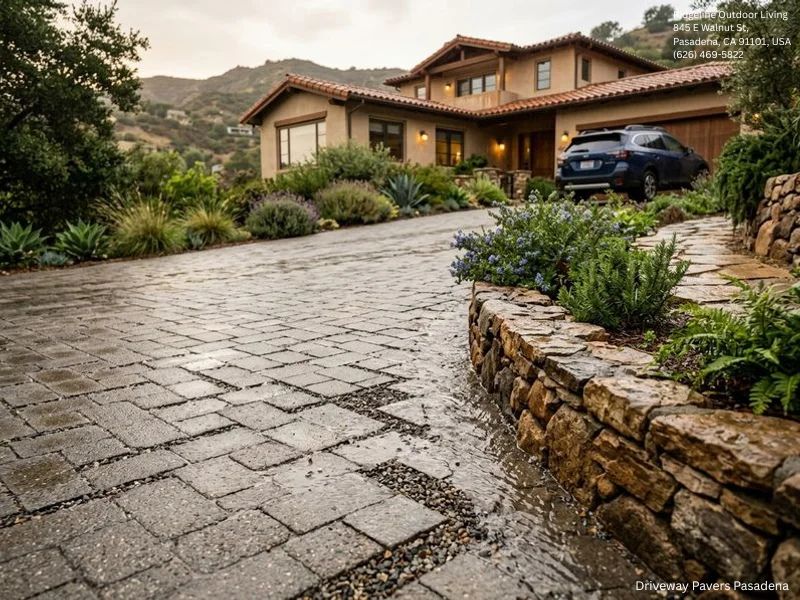
- Sod Installation: Placing and installing new lawns can last 3-7 days, based on area size. Planting Schedule: Timing around periodic planting windows influences duration, especially for native and eco-friendly plants. Hardscaping: Elements such as patios, retaining walls, fencing, and pathways require skilled labor and can add 1-3 weeks. Irrigation and Sprinkler Systems: Installing efficient watering solutions often occurs alongside planting and may need several days.
Finishing Touches and Maintenance Setup
The final phase, extending over 1 to 2 weeks, completes your landscape project with:
- Mulch application and weed control plansTree trimming and cleanupInstallation of landscape lighting for ambiance and safetyCreating regular maintenance routines and irrigation scheduling
Preparing ongoing care guarantees your garden flourishes beyond project completion.
Seasonal Considerations for Landscaping Projects in the 626 Area Code
San Gabriel Valley’s Mediterranean climate influences when key landscaping tasks are best performed. For example:
- Spring and fall are favorable for planting native drought-resistant species that reduce water needs.Summer months may hold up major installations due to heat stress on plants and workers.Winter is appropriate for design consultations and soil amendments but less so for planting sensitive species.Mulch types should be picked based on seasonal erosion control needs and moisture retention capabilities.
Comprehending these cycles helps optimize project planning and encourages sustainable landscaping goals.
How to Choose the Right Landscape Contractor for Timely Completion
Hiring a trustworthy landscape contractor in the 626 area code is important for keeping your timeline. Consider these tips:
- Verify licensure and insurance specific to local requirements.Obtain detailed project management plans, including schedules and milestones.Ensure the contractor is aware of required zoning permits and approval processes for the San Gabriel Valley.Review previous client testimonials emphasizing timely project delivery.Consider contingency plans for weather or supply chain disruptions.
Choosing the appropriate partner decreases surprises and holds your landscaping project on track.
Tips to Accelerate Your Landscaping Project Without Compromising Quality
Accelerating your project while maintaining quality involves drainage solutions Pasadena proactive planning and smart choices:
- Schedule design consultations well in advance to avoid bottlenecks.Opt for native and drought-tolerant plants that grow quickly with less maintenance.Manage material deliveries early to prevent supply delays.Incorporate modular hardscaping components that can be installed faster.Keep clear communication with your contractor for immediate problem-solving.Use sustainable landscaping techniques that cut down soil prep time and improve long-term resilience.
These strategies help build beautiful, functional outdoor spaces without unnecessary waiting periods.
Frequently Asked Questions About Landscaping Timelines in 626 Area Code
How long does a basic lawn installation take in the 626 area?
Generally, installing sod or seeding a new lawn takes between 3 to 7 days, considering soil prep and curing time before use.
What factors can delay landscaping projects in this region?
Common holdups consist of unforeseen soil conditions, weather delays, permit processing times, and supply chain challenges causing issues with materials.
Are permits mandatory for landscaping projects in the 626 area code?
Certainly, based on the extent—particularly for hardscape work, watering systems, or major grading—local zoning permits are frequently needed.
Can landscaping projects be done in every season in the 626 area?
Several activities can be done all year long, but setting plants and specific setups are most suitably done according to seasonal environmental conditions for ideal performance.
How do weather conditions impact landscaping timelines locally?
Rain and severe heat can delay outdoor work, compromising soil preparation and plant establishment. Mild winters generally support some winter progress.
What is the average time taken for hardscaping installations like patios or retaining walls?
Depending on complexity, hardscaping can last from 1 to 3 weeks to complete, including foundation and curing time.
How soon after planting will my new garden require maintenance?
Maintenance should start immediately after planting and involves watering, pruning, and pest control to guarantee healthy growth.
What should I expect during the design consultation phase?
A joint effort to establish your goals, survey the site, select materials and plants, draw up plans, and estimate costs.
How can I ensure my landscaping project completes on time?
Remain engaged in scheduling, choose experienced contractors, secure permits early, and prepare for seasonal variables.
Are there eco-friendly options that can influence project duration?
Indeed, using native plants and sustainable techniques may prolong or minimize timelines depending on plant growth cycles and soil preparation needs.
Ridgeline Outdoor Living
Ridgeline Outdoor Living is a Pasadena-based landscape design-build company serving Greater Los Angeles with custom outdoor living, hardscape, and drought-tolerant landscape solutions. The company specializes in patios, retaining walls, outdoor kitchens, drainage, hillside projects, and turnkey landscape construction, handling projects from design and permitting through final build and warranty.
Address:
845 E Walnut St,
Pasadena,
CA
91101,
United States
Phone: (626) 469-5822
Map: View on Google Maps
Business Hours:
- Monday – Saturday: 8:00 AM – 6:00 PM
- Sunday: Closed
Follow Us: