Changing limited outdoor spaces into beautiful, functional retreats is an art. Whether you have a cozy backyard, balcony, or patio, clever landscape design for small gardens can optimize every inch, combining beauty with convenience. Explore inspiration, expert advice, and step-by-step tips to design your best micro-garden in urban settings.
Understanding Small Garden Landscape Design
Developing small gardens demands thoughtful garden layout and space management to make the most of limited outdoor areas. This process includes choosing planting schemes that match your climate zone and garden theme, while integrating elements unique to urban gardening.
Small garden design stresses establishing micro-gardens or compact gardens that act as effective outdoor living spaces. By emphasizing strategic plant selection and efficient use of pathways, garden borders, and garden edging, you can craft a cohesive environment that seems more spacious.
Incorporating garden art, textures, and focal points assists elevate the aesthetics without cramping the space. Knowing these foundational principles sets the stage for your successful small garden makeover.
Planning Your Small Garden Layout
Assessing Your Space and Soil Preparation
Begin by carefully measuring your garden and analyzing soil quality for healthy plant growth. Soil preparation is crucial, including testing pH levels, enriching soil with compost, and providing proper drainage. Well-prepared soil encourages robust roots and thriving plants.
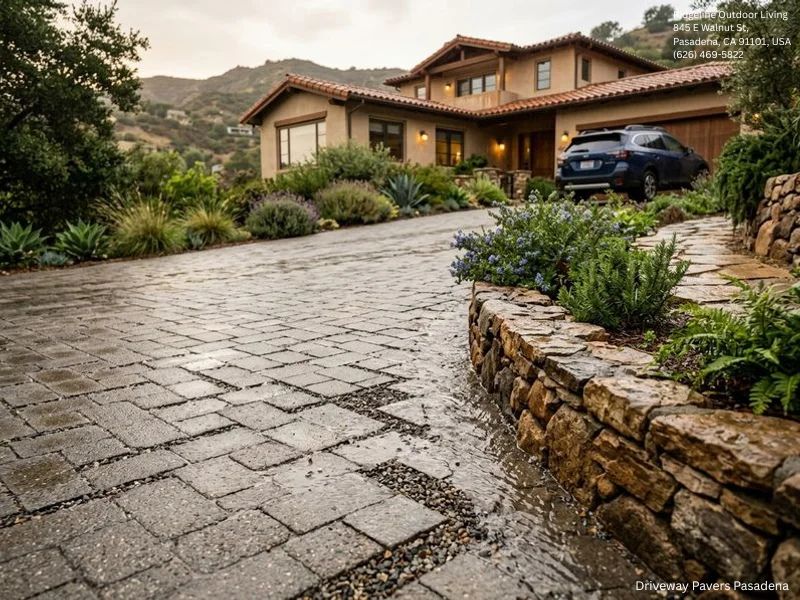
Organize efficient garden irrigation to conserve water, particularly crucial in small or urban gardens where resources may be limited. Laying out garden pathways with materials like gravel or stepping stones helps getting around the space while offering visual interest.
Garden edges and plant borders create neat boundaries, assisting differentiate various garden sections and improving overall neatness.
Selecting the Right Garden Theme and Focal Points
Pick a garden theme that represents your unique aesthetic and suits your home's look. Well-liked themes for cozy gardens include.
Centers of interest such as garden statues, water elements, or a notable piece of garden equipment attract the eye and center the design. Using intentional garden colors elevates mood and cultivates harmony – think about seasonal blooms and varied foliage to introduce depth.
Include garden art gently to avoid clutter but improve your garden’s style.
Effective Planting Ideas for Limited Spaces
Vertical Gardens and Use of Trellises and Pergolas
Vertical gardens offer a fantastic space-saving approach by taking advantage of walls, fences, or freestanding structures like trellises and pergolas. Climbing plants such as ivy, clematis, or jasmine grow well here, covering your vertical surfaces in verdant greenery.
These structures create height and form layered planting schemes, allowing small gardens seem more spacious. Container planting alongside vertical gardens offers more options in plant placement and diversity.
Picking Plants for Small Gardens: Drought-Tolerant, Shade Plants, and Compact Shrubs
Choose plants adapted to your garden’s light and water levels. Drought-tolerant plants like lavender, sedum, and rosemary minimize maintenance and water usage, great for low-water gardening in urban spaces.
Shade plants such as hostas and ferns flourish under pergolas or taller shrubs, introducing lush greenery without crowding limited ground space. Compact shrubs offer structure without overshadowing the garden’s footprint.
Add bee-friendly plants and blossoming plants to support nearby wildlife habitats and provide vibrant garden colors across the seasons. Ornamental grasses also offer dimension and motion.
Container Gardens and Raised Beds
Utilizing container gardens and raised beds enhances planting opportunities while controlling soil quality and drainage. Container herbs like basil, parsley, and thyme are simple to cultivate and suitable for balconies or patios.
Opt for plant containers correctly sized—small pots for succulents and larger tubs for small trees or bushes. Raised beds assist organize planting schemes and boost accessibility, especially valuable in tight spaces.
Enhancing Your Small Garden with Functional Features
Patio Design and Garden Furniture for Small Areas
Effective patio design integrates open space with inviting garden seating. Opt for foldable or modular garden furniture that fits the scale of your garden without cluttering.
Garden accessories like cushions, outdoor rugs, and planters customize the area, while outdoor storage solutions keep tools and supplies organized without consuming precious space.
Water Features, Small Ponds, and Rock Gardens
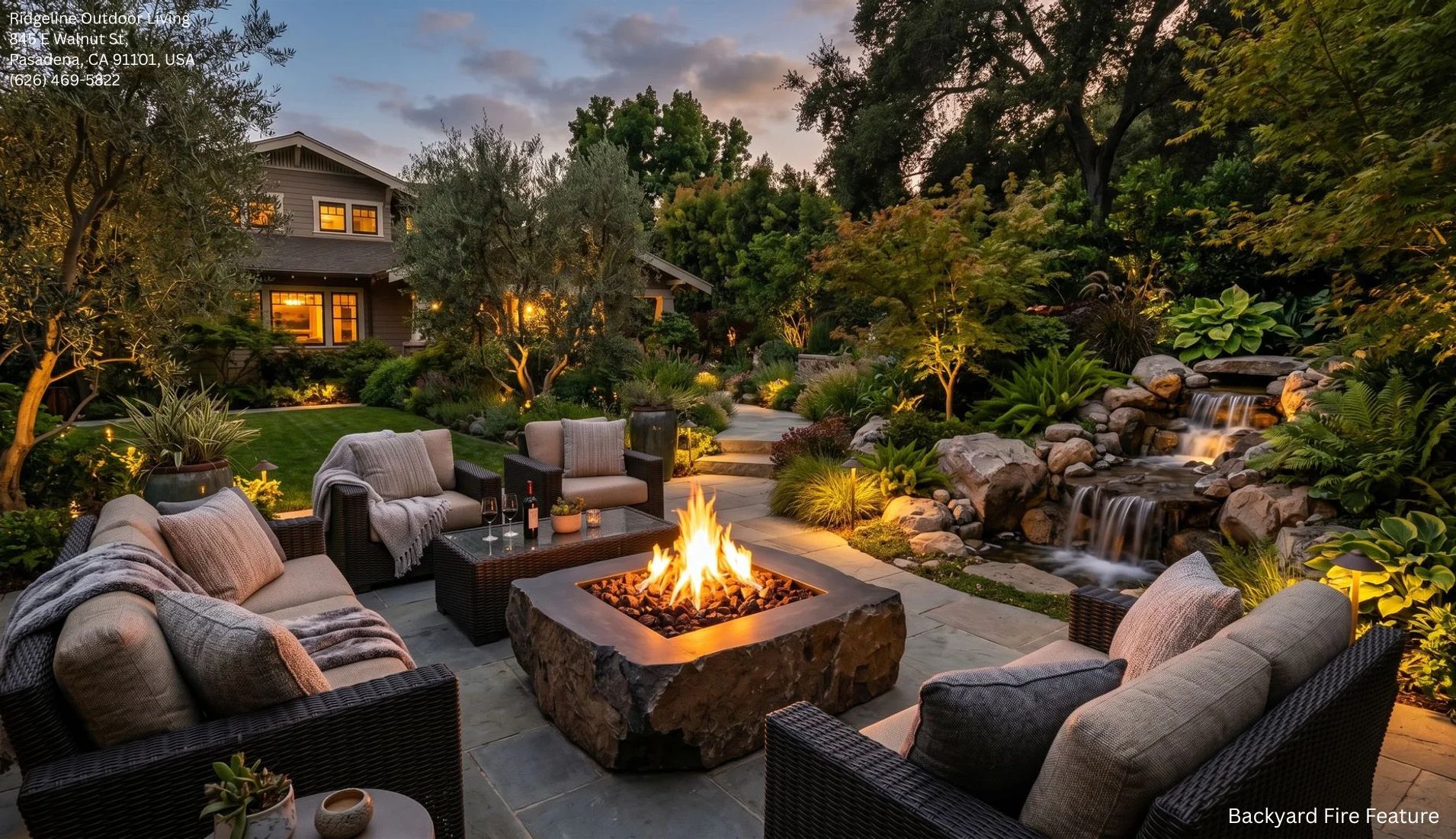
Add natural tranquility to your garden with compact water features such as wall-mounted fountains or small ponds that fit comfortably in corners. Rock gardens bring unique textures and low-maintenance beauty, pairing well with drought-tolerant plants.
Blending varied garden textures enhances visual interest and invites visitors to appreciate every nook of your garden.
Lighting and Garden Privacy Solutions
Garden lighting extends usability after dark and illuminates key elements like pathways, focal points, and vertical gardens. Solar-powered LED lights are energy-efficient and easy to install.
For privacy in urban environments, use garden screens, tall plants, or lattice fencing to form a secluded retreat, blocking noise and neighbors’ views without compromising airiness.
Green and Easy-to-Care-For Mini Plot Techniques
Recycling Organic Matter and Green Products
Recycling kitchen scraps and garden waste enriches soil organically, reducing need for chemical fertilizers. Opt for green products for garden edging, furniture, and pathways to limit environmental impact.
Responsible gardening practices include rainwater harvesting and selecting native plants suited to your climate zone, boosting the garden’s resilience.
Mulch Types and Maintenance Guidelines
Apply mulch types such as bark, straw, or cocoa hulls to preserve moisture, suppress weeds, and boost soil health. Ongoing garden maintenance, including pruning and weeding, maintains your small garden tidy and flourishing.
Essential garden tools for small garden care consist of hand pruners, trowels, watering cans, and a garden fork ideal for tight spots.
Seasonal Factors and Nature-Friendly Garden Care
Design your garden with seasonal blooms to provide color and life year-round. Switch planting schemes in small spaces to refresh the garden’s look and promote plant health.
Promote wildlife habitat by including pollinator plants like coneflowers and bee balm, inviting beneficial insects and birds. Deliberate garden colors and textures improve not only beauty but the ecological value of your small garden.
Frequently Asked Questions (FAQs)
What are the best plants for small gardens with limited sunlight?
Shade-tolerant plants such as hostas, ferns, hydrangeas, and astilbes thrive in low-light conditions found in shaded small gardens.
How can I make my small garden look bigger?
Use vertical gardening, light reflective garden colors, strategic garden lighting, and make clear garden pathways to make appear bigger the space.
What maintenance is required for vertical gardens?
Vertical gardens need regular watering, pruning, and occasional fertilizing. Confirm proper irrigation and opt for hardy climbing plants to lower upkeep.
What kind of garden features help maximize space in small gardens?
Utilize vertical gardens, multifunctional garden furniture, container planting, and raised beds to efficiently use every hardscaping tips inch of your garden.
What is the best way to choose the right soil and mulch for a small garden?
Opt for soil supplemented by organic matter compatible with your plant types. Mulch with bark or straw maintains moisture and suppress weeds, minimizing upkeep.
Is it possible to create a water feature in a small garden without consuming much area?
Certainly, wall-mounted fountains, small bubbling pots, or narrow ponds work well in confined areas while offering soothing sound and movement.
How can I adopt sustainable practices in my small garden?
Adopt composting, opt for native drought-tolerant plants, use rainwater harvesting, and pick eco-friendly materials for garden structures and accessories.
ConclusionSmall gardens present unique challenges but also inviting opportunities to highlight creativity, sustainability, and efficient design. By carefully planning your garden layout, opting for the right plants, and incorporating functional features, you can convert even the tiniest outdoor space into a tranquil haven.
Embrace vertical gardening, smart planting, and eco-friendly practices to enhance your garden’s potential. Begin with clear goals, utilize the tips shared here, and observe your small garden flourish into a beautiful, personalized outdoor retreat.
Looking to elevate your urban outdoor space? Start your small garden design journey today and enjoy the lasting benefits of a thoughtfully patio installation Pasadena CA crafted landscape.
Ridgeline Outdoor Living
Ridgeline Outdoor Living is a Pasadena-based landscape design-build company serving Greater Los Angeles with custom outdoor living, hardscape, and drought-tolerant landscape solutions. The company specializes in patios, retaining walls, outdoor kitchens, drainage, hillside projects, and turnkey landscape construction, handling projects from design and permitting through final build and warranty.
Address:
845 E Walnut St,
Pasadena,
CA
91101,
United States
Phone: (626) 469-5822
Map: View on Google Maps
Business Hours:
- Monday – Saturday: 8:00 AM – 6:00 PM
- Sunday: Closed
Follow Us: